

 Main courses
 Baking
 Desserts
 Ice cream & frozen treats
 Breakfast
 Soups
 Salads
 Drinks
 Snacks
 Side dishes
 Starters
 AI-generated
Recipes and cooking ideas for everyday meals
What should I cook today?

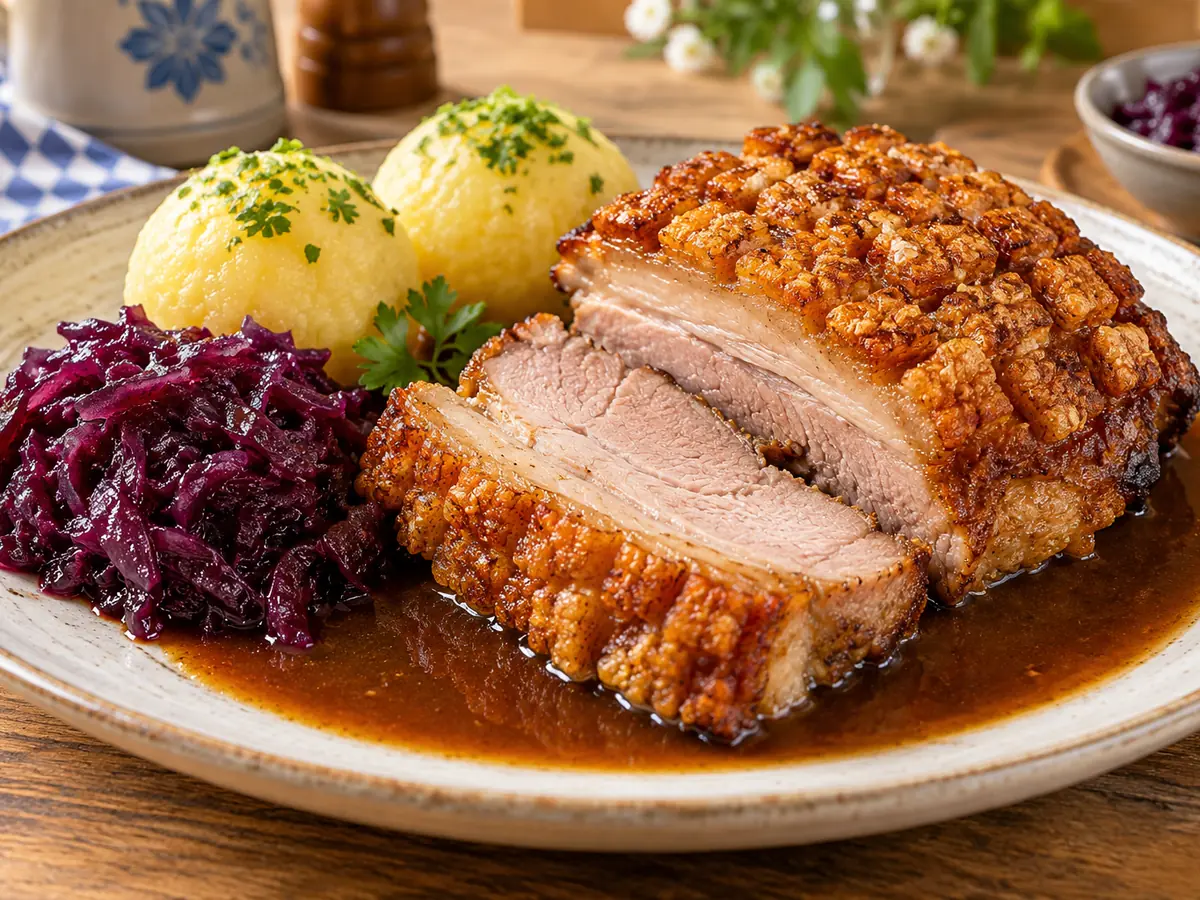
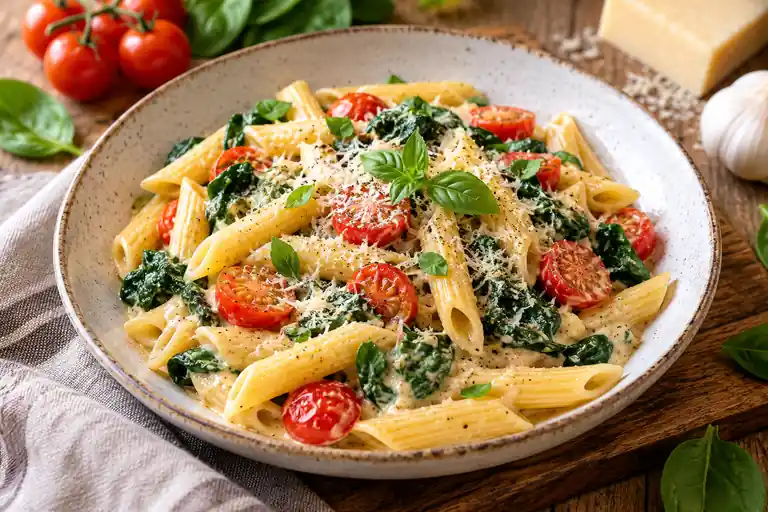
Top-rated recipes

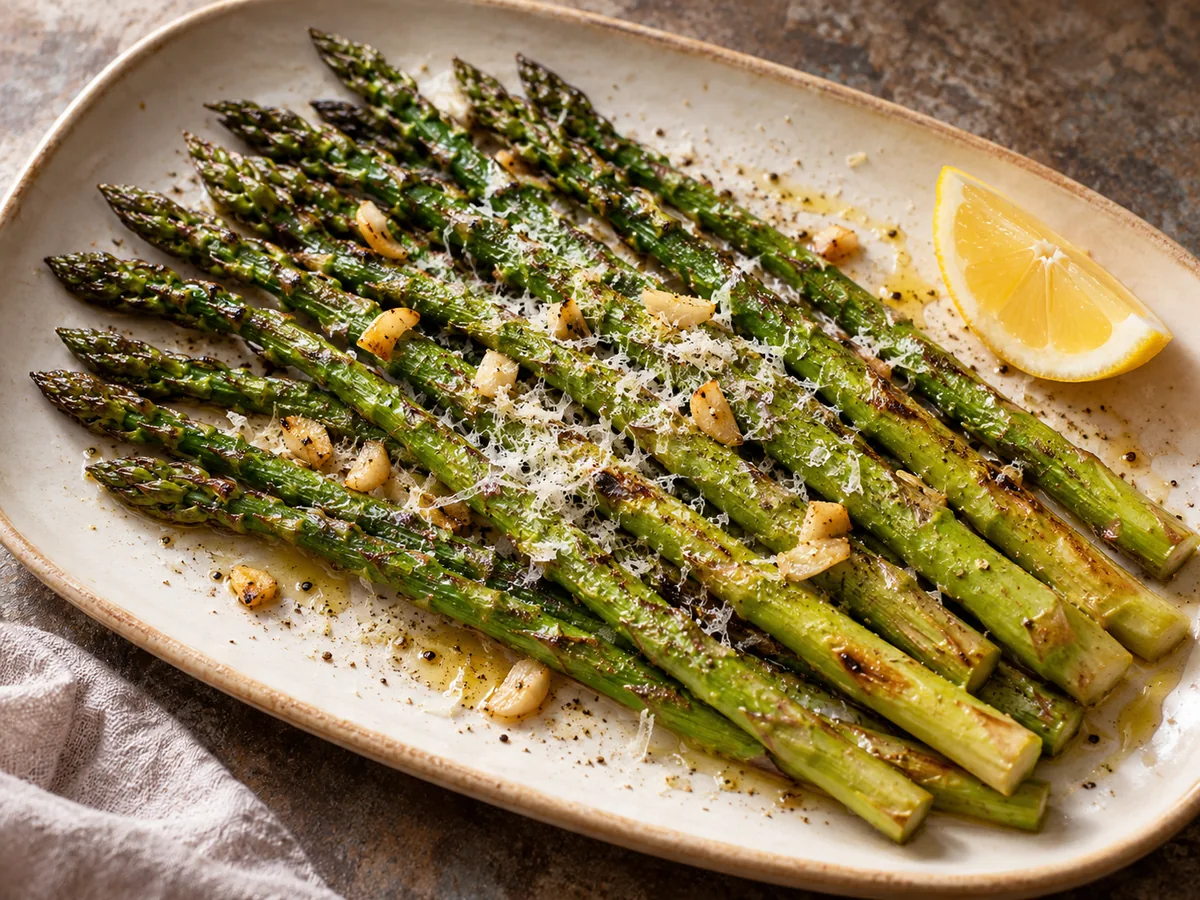
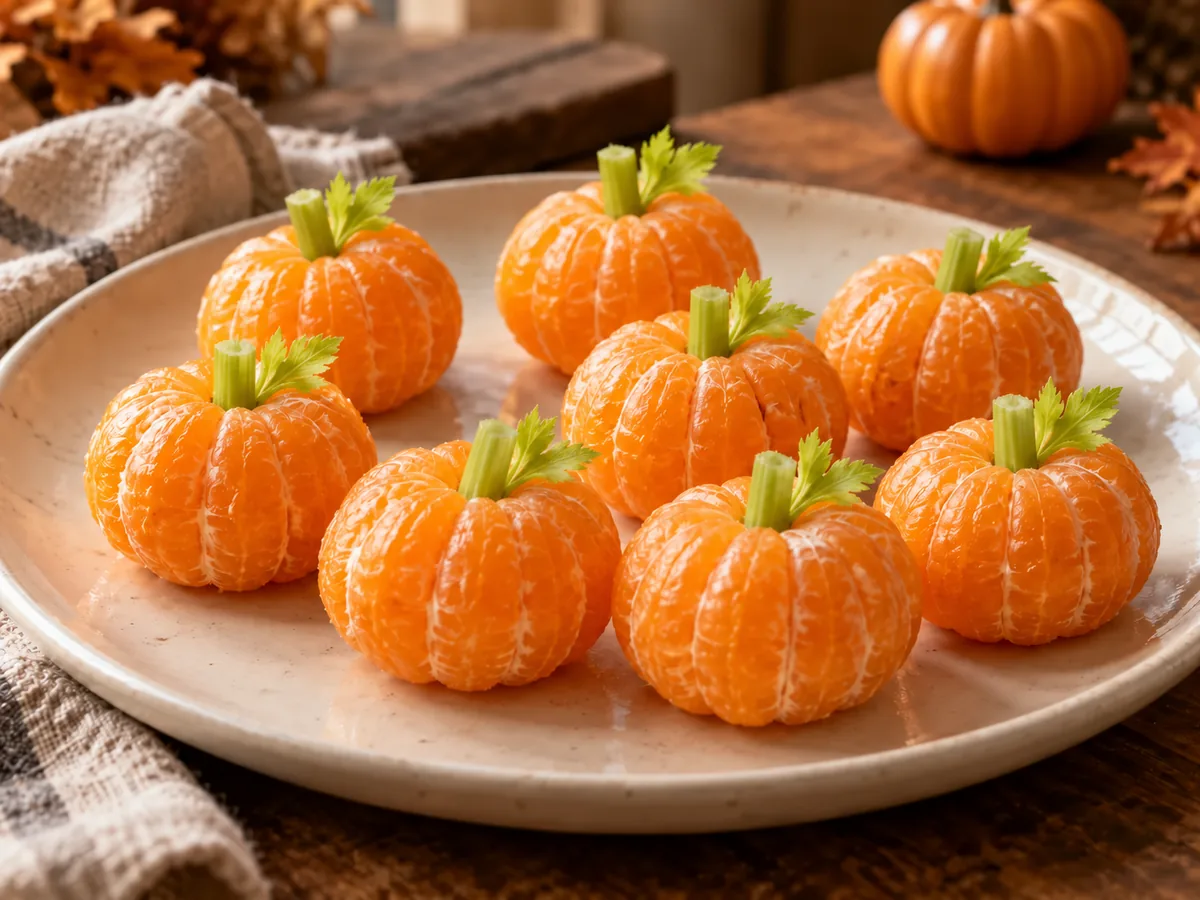




Newest recipes







Main courses
Baking

Desserts




Ice cream & frozen treats
Breakfast

Soups
Salads
Drinks

Snacks


Side dishes
Starters
Vegan
Vegetarian
Gluten-free
Lactose-free
Low-histamine
No recipes match these filters yet.
High-Protein
No recipes match these filters yet.
Recipes and cooking ideas for everyday meals
What should you cook today? Explore main dishes, fresh salads, home baking and drinks from different cuisines. Discover how ingredients, seasoning and preparation shape the taste of each dish.
Browse recipes by dish, cuisine or occasion and compare ingredients and total time. Follow the preparation step by step and adjust ingredient quantities to your servings. Add suitable side dishes when they are available for your chosen recipe.
Explore recipes by the meal you want to make
TasteGang brings together home cooking, baking, desserts and drinks in one recipe collection. A useful starting point is the role the food will play: a filling dinner, a light lunch, a breakfast shared with family or a small treat. These choices affect portions, ingredients and the dishes you might serve alongside it. The homepage lets you explore established categories or discover something unfamiliar. Rather than promoting one supposedly perfect menu, it offers several ways to find food that matches your appetite and the people eating with you.
Find your way through the food categories
Main dishes, soups, salads, starters and side dishes are not interchangeable labels. A soup can introduce a longer meal or become a substantial dish on its own, while a salad may be either a fresh accompaniment or the centre of lunch. Bread and other baked goods have a different place at the table from cakes, ice cream or desserts. Drinks can complement food or be enjoyed separately. Thinking about these different roles helps you put a meal together without choosing several dishes that all serve the same purpose.
Discover the character of different regional kitchens
Food traditions vary within countries as much as they do between them. Italian cooking, for instance, includes many regional approaches to grains, vegetables and dairy; different parts of India have distinctive uses of pulses and spices. A national label is therefore a starting point, not a complete description of a dish. The most useful information is what the recipe actually contains and which flavours it emphasises. You can follow a familiar regional tradition, explore a different one or choose a modern interpretation while recognising where its influences come from.
Make informed choices for occasions and diets
A birthday buffet, weekday dinner, leisurely brunch and outdoor picnic call for different kinds of food. Portions, the time people will be eating and the range of tastes at the table can matter as much as the main ingredient. Dietary labels also need care. Vegetarian is not the same as vegan, lactose-free does not mean milk-protein-free, and a naturally gluten-free ingredient does not make an entire meal suitable for someone with coeliac disease. Always check the full ingredient list and any optional components, particularly when allergies are involved.
How should you start looking for a recipe?
If you have a specific meal in mind, begin with its category and narrow down the choices by ingredients, preparation time and number of servings. If you want inspiration instead, browse new or popular recipes or explore an occasion or regional cuisine. The individual recipe page should provide the practical details needed to make a decision. A clear category structure is there to reduce irrelevant choices, not to dictate what you should eat. The best option is one that suits your circumstances and tastes.
Explore all recipes
ⓘ Dietary and allergen labels are guidance only. Always check ingredients and your personal tolerance.